TU Delft High-Pressure/Temperature Laboratory for Planetary Materials
How did Venus become so different from Earth?
We recreate the pressures, temperatures and atmospheres of other worlds to understand how planets form and evolve.
Welcome
Extreme conditions, made in Delft
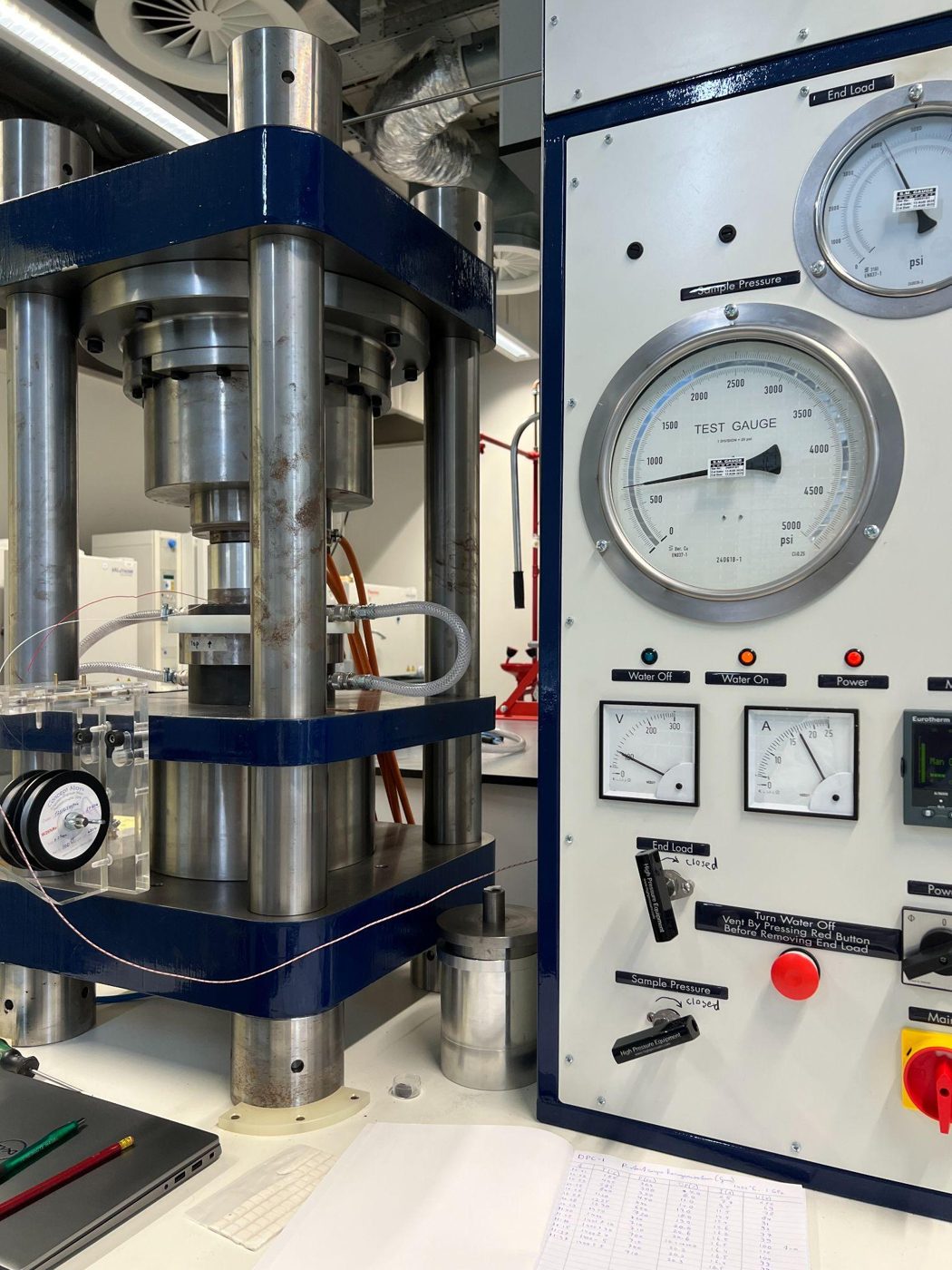
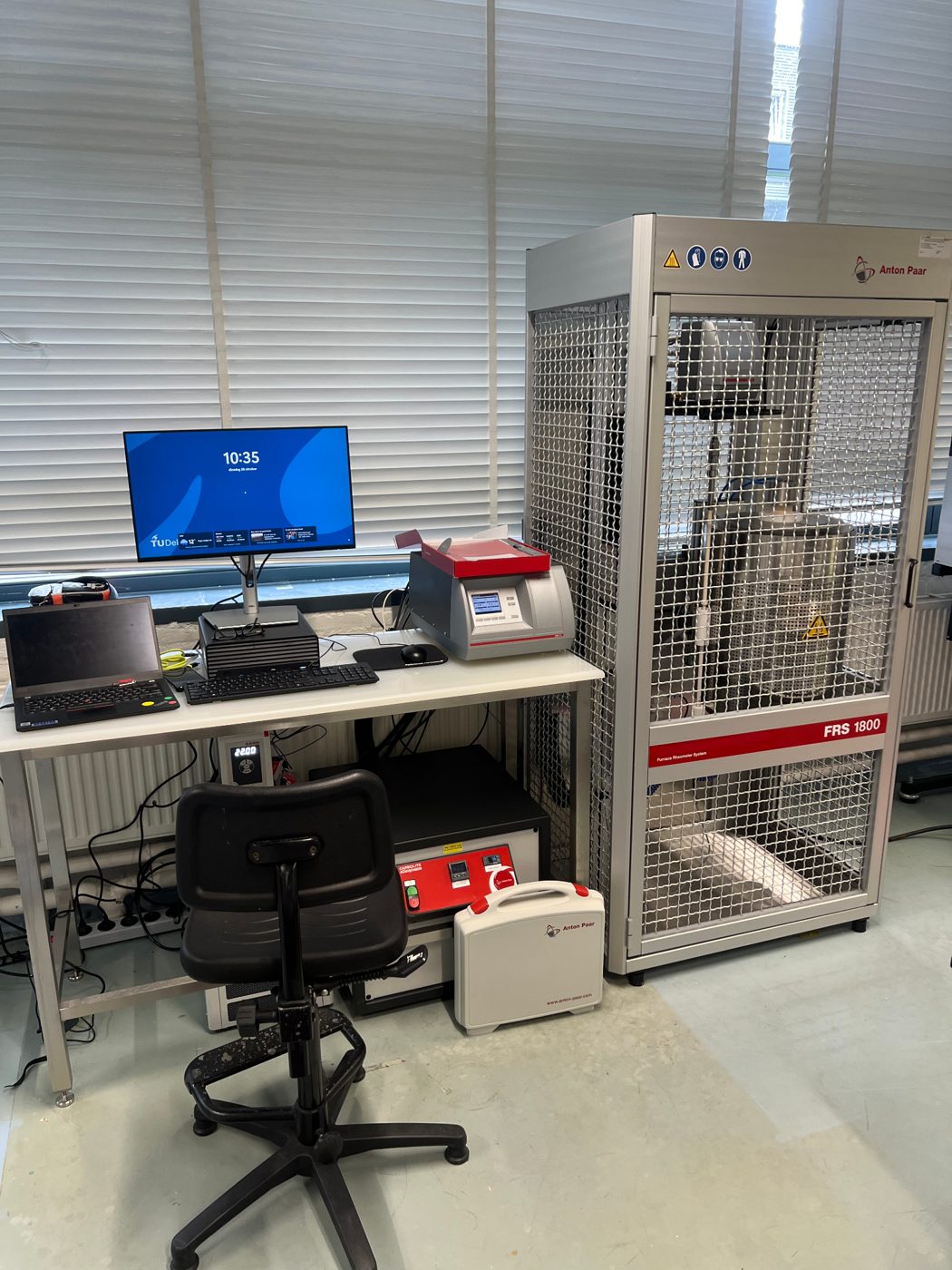
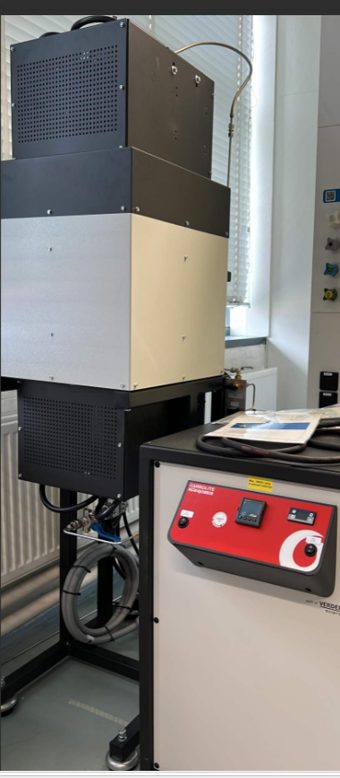
Welcome! In the TU Delft High-Pressure/Temperature Laboratory for Planetary Materials we investigate the physical and chemical processes that shape planets, moons, and their interiors. By recreating extreme conditions in the laboratory, we study how planetary materials behave under the pressures, temperatures, and chemical environments encountered during planetary formation and evolution.
Our goal is to understand how planetary materials behave under extreme conditions and how these processes shape the worlds we explore.
Research
What we work on
Venus: interior, surface and atmosphere
Volcanic degassing, surface weathering and the cycling of volatile elements on our sister planet.
Planetary differentiation
Core formation, melting and crystallisation in rocky planets, moons and asteroids.
Magma rheology and volcanism
How easily silicate, metal, salt and sulfate melts flow, and what that means for volcanic processes.
Clouds and unconventional liquids
Sulfuric acid chemistry and ionic liquids relevant to the clouds of Venus.
Materials science and green steelmaking
Melt properties and high-temperature reactions for more sustainable metallurgical processes.
Funded projects
The ERC, NWO, NWA and M2i projects behind this research.
Worlds
From the laboratory to other planets
One set of instruments, many destinations. The same experiment means something different on each body, because gravity, composition and atmosphere all change the answer.
Venus
Volcanism, surface weathering and the exchange of volatiles between interior, surface, atmosphere and clouds.
Earth
Deep volatile cycles and the formation of the earliest crust.
Moon
Core formation and the crystallisation of the lunar magma ocean.
Mars
The composition of the core and the depletion of volatile elements in the mantle.
Mercury
Differentiation of a planet that formed under highly reduced conditions.
Asteroids
Core formation in Vesta and the loss of volatile elements from molten, metal-rich planetesimals.
Titan and icy worlds
Materials and processes relevant to icy moons and their deep interiors.
News
Latest
- February 2026NWO funding for research on the lower atmosphere of Venus
- December 2025Delta visits the new planetary laboratory
- March 2025Vening Meinesz Prize for Edgar Steenstra
Work with us
For questions about the laboratory, collaborations or student projects, please get in touch.
Contact